
A Different Kind of Writing Week
Last week, I tried something new: I wrote a book using AI. The topic—portfolio management—is something I know well. I’ve delivered presentations, led training sessions, and written a fair amount about it. So I started by feeding that material into ChatGPT and asking for a few outline options. Once I settled on a structure I liked, I had ChatGPT generate content chapter by chapter.
The result? About 173 pages of what can only be described as a hot mess. It quickly became clear I was trying to do too much. So I stepped back, refined the scope, and started over with a tighter, more focused table of contents. This time, the content clocked in at around 80 pages—and it felt much more coherent.
Editing the Chaos Into Something Coherent
Once I had the rough draft, I dove into editing. That meant stripping out fluff, reorganizing ideas, and reformatting the entire manuscript. After cleaning it up, the book shrank to about 43 pages.
Then came the illustrations. I added diagrams and visuals to help clarify key ideas—either drawing from past material or generating new images using AI tools. While editing text was fast and fluid, working with AI-generated images was clunky and time-consuming. Still, within a few more days, I had a solid, illustrated manuscript: about 53 pages long, tight and polished.
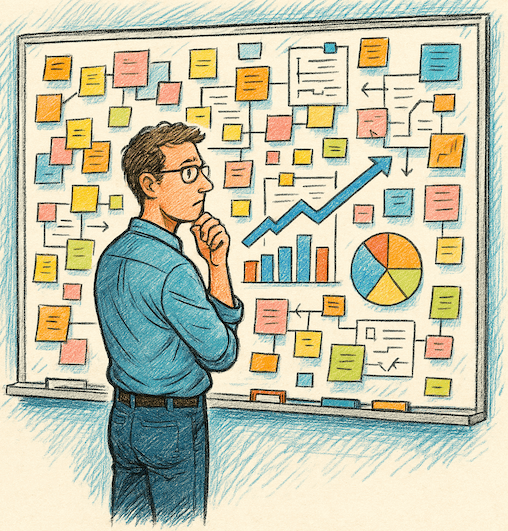
Editor, Not Author
Looking back, I wasn’t really the “author” of this book in the traditional sense. My role was more like curator or editor. The original content came from my own material, but much of the writing was generated, reworked, or polished by AI.
That said, I was genuinely impressed by the outcome. The writing quality was often better than I would have managed solo—clean, clear, and mostly free from grammatical distractions. And the entire process was surprisingly enjoyable. In five days, I went from zero to a finished, shippable book.
Fear and Honesty in the Age of AI
Of course, I didn’t do this without hesitation. My biggest fears?
- That the AI would generate trite, mediocre filler.
- That the illustrations would scream “AI” and turn readers off.
I’ve written other short books before, and I’ve always believed that writing should be enjoyable. This project was. It felt like collaboration, not automation. But I know people have strong feelings about AI, and I worry that knowing this book was written with its help might sour their impression of the work—no matter how good the content is.
I’ve been transparent about using AI extensively. In truth, it’s hard to say I “wrote” the book. Most of it was generated or heavily edited with AI support. I shaped and refined it—but the words themselves weren’t mine in the traditional sense.
A Changing Definition of Authorship
This was an experiment. We’re living through a transformation of what it means to be an author, and I’m okay being part of that conversation—even if it means people dismiss the book out of hand.
Case in point: the day after announcing the release, I got an email from someone asking if AI had been involved. I answered honestly—yes, heavily. The conversation ended there. I don’t know if they were disappointed or just curious.
Fingers Crossed
So now the book is out there. I’m proud of it. I think it’s valuable. But I also know I’m walking into an uncertain reception. Will people judge the book on its content? Or dismiss it because of the way it was created?
I guess we’ll find out. For now, I’m hopeful—and grateful—for the experiment.
Oh, and you can find the book Here


 The 99 Product Challenge
Leave a comment